
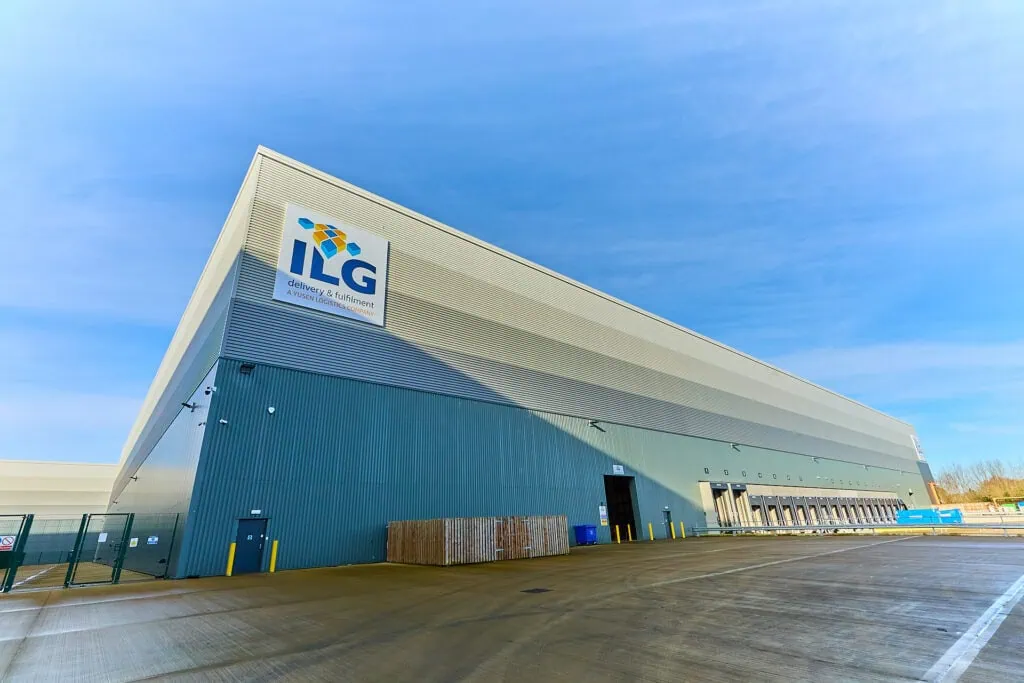
Warehouses vs Fulfilment Centres – What’s the Difference?
So you’ve started your own e-commerce business and you’re growing and expanding your sales. You’re finding that you’re outgrowing your initial storage and warehousing arrangements – for example, your garage or a local self-storage lockup – but your business isn’t big enough to afford a large-scale warehouse of your own.
On top of that, the amount of time it’s taking you to manage, track and pack orders, and get them sent off with shipping carriers, is only increasing. What do you need to do to take your inventory arrangements to the next level?
You might be tempted to look for an outsourced warehouse facility, but as a growing e-commerce operation, you may well find that a fulfilment centre is the better option for your long-term future. In this blog, we’ll explore the key differences of fulfilment centre vs warehouse, how they can influence your order fulfilment process, and where a fulfilment warehouse can be beneficial.
Jump to:
- What is a Fulfilment Centre?
- Fulfilment Centre vs Warehouse – The Key Differences
- Why Should You Use a Fulfilment Centre?
- What Should I Look for in a Fulfilment Partner?
- Transform Your Order Fulfilment Process with ILG
- FAQs
What is a Fulfilment Centre?
A fulfilment centre is a location where all the fulfilment-related processes of selling and shipping goods to a customer take place. This includes (and is not necessarily limited to) storing goods to be shipped in the future, picking and processing orders as they’re received, packaging and labelling the goods appropriately, and handing them over to the selected carrier for shipping to the customer.
While larger e-commerce businesses may have their own fulfilment centres for exclusive use, this can be beyond the financial and practical capabilities of smaller operations. This is where outsourced fulfilment providers come into play, providing their facilities to many different customers simultaneously, and storing all their goods on their premises as appropriate.
Fulfilment Centre vs Warehouse – The Key Differences
When making the choice between fulfilment centre vs warehouse, it’s essential to understand the key differences between the two. Of course, there will be some variation from one provider to the next, but the three main distinctions between them are:
Storage timeframes
Fulfilment centres are designed to hold goods with the intention of moving them on once sold. This means that the length of time that goods are stored there is generally much shorter than in warehouses, which are intended for storing items in the long-term.
The amount of inventory in a fulfilment centre should be matched to consumer demand for the goods in question. Storing too much for too long can quickly get expensive, and so there should be a consistent flow of goods both inwards and outwards.
Range of operations
Warehousing operations are generally limited to receiving inventory, storing it, and transferring it outwards as and when required. Fulfilment centres, on the other hand, will go much further, and take care of many of the logistical steps in the order fulfilment process.
These include picking and packing goods as and when orders are received, labelling shipments and arranging their collection, managing returns from customers, and managing inventory for efficiency and accuracy. It can also include services such as personalisation, gift wrapping and other value-add services.
Shipping carrier relationships
Different customers will have different requirements around shipping timeframes, depending what they’ve paid for. And different carriers will have various terms and conditions, such as cut-off times for collecting goods this can help to ensure expedited or express shipping.
This can be very complicated to manage if selling large volumes of goods (especially in peak retail periods like Christmas or Chinese New Year). But a good fulfilment centre will have strong, established relationships with a wide range of carriers, helping keep everything running smoothly, and potentially negotiating more cost-effective and flexible terms.
Why Should You Use a Fulfilment Centre?
With those differences in mind, there are some useful benefits to using fulfilment centres that stand out for e-commerce businesses. Because the overall service offering tends to be much wider and integrated than normal warehousing, you can potentially take advantage of:
Cutting admin burden
The more orders you have to process every day, the more valuable time you lose that could be spent on marketing, product research, and other areas that help you grow your business. Handing over all the logistics of your order fulfilment process to a fulfilment partner can help you lighten that administrative load, so that you can add more value to your e-commerce operation.
Reduce your storage and packaging inventory
There are also more practical implications around growing levels of inventory. As your business keeps scaling upwards, you might find that you no longer have enough room for all your stock, and the packaging that it requires.
Outsourcing to a fulfilment centre means you can scale your space requirements without having to take on the cost of increasing your own warehouse space.
Benefit from professional expertise
Fulfilment centres are run by professional logistics and e-commerce experts, who not only have years of experience in working with businesses like yours, but also have access to the latest logistics and fulfilment technology. They’re able to effectively manage and even automate parts of the fulfilment process, maximising efficiency and reliability for every item and shipment, and minimising the risk of errors and delays.
Track and manage your stock
That technology can also generate a comprehensive, real-time trail of every item’s fulfilment journey. A fulfilment centre partner can instantly look up any item and find out where it is, how long it’s been there, who it’s been ordered by, and when it’s due to be handed over to the shipping carrier. They will be able to share that information with you, so that you can maintain constant oversight of exactly how your inventory and fulfilment is going at any given time.
Easily scale your fulfilment as your business grows
Retail e-commerce operations naturally fluctuate over time, whether through adding new lines of items for sale, seasonal peaks and troughs, or being influenced by wider economic conditions and consumer confidence. This means the amount of storage space needed and amount of orders being shipped can vary, and can be tricky to balance: too much space means unnecessary cost, and too little might mean you can’t meet orders and satisfy customer demand.
This is why some partners will provide scalable price plans, meaning that you pay, month-by-month, for the amount of storage you need and per item picked, packed and shipped, so you don’t have to pay for unused capacity or for labour that wasn’t needed. It’s more efficient for them, as they can ensure as much space is utilised as possible, and maximises your cost efficiency.
What Should I Look for in a Fulfilment Partner?
There are countless businesses out there that can provide support for your order fulfilment process – so many that it can be hard to know which to choose.
Which partner is right for you will vary, depending on the specifics of your business, such as your current size, type of products, and the areas where you need the most help. But in more general terms, you should look for a partner with a proven track record of:
1. Experience with businesses like yours
Many fulfilment partners will specialise in certain industries and types of goods. For example, at ILG, we specialise in fashion, beauty and wellbeing fulfilment, with years of experience in these industries. This means we know the ins and outs of the fashion, beauty and wellbeing sectors and can tailor our fulfilment solutions to best suit our customers. Working with a specialist partner in your areas of business can ensure you and your customers get the best possible fulfilment experience.
2. Facilities and services in your target markets
Similarly, some fulfilment operations will have international scale that can help you sell goods into other countries more easily. This is especially important at a time when cross-border trade has become more complicated, whether through EU customs checks introduced post-Brexit, or tariffs on goods going into or out of the United States.
Look for a fulfilment partner with facilities in all or most of the regions you want to trade in, as this can save a lot of time, money and hassle.
3. Personalisation, branded packaging and value add services tailored to your brand
Building a brand is a vital part of e-commerce in such a competitive global marketplace. , Branded packaging, personalisation and gift wrapping are just some of the ways your fulfilment partner can help you to enhance your brand and stand out.,. Adding a gift message, embossing or engraving an item to make it more special and each customers’ order arriving in high-quality branded packaging helps elevate the customer experience, increasing loyalty and retention.
4. Certifications and qualifications
All good fulfilment partners will meet key industry standards, ensuring that their operations are safe, compliant with relevant legislation, and meet key targets around sustainability and protecting the environment.
You may also want to consider any other certifications that may align with the values of your brand, further underlining your credentials to your customers. For example, some fulfilment partners are certified by the Soil Association for fully organic fulfilment, covering facilities, staff and stock control alike.
5. Clear, transparent pricing
Keeping your bottom line under control is vital, and this can be especially challenging as your consumer demand and stock levels fluctuate. Some fulfilment partners provide scalable inventory hosting, and they should be clear and up-front about how scaling your capacity up or down will influence your costs. That way, you’ll be able to make decisions around ordering stock or expanding your range with confidence, knowing exactly what the cost implications around fulfilment will be before you make any firm commitment.
Transform Your Order Fulfilment Process with ILG
Pick the right fulfilment partner and you’ll have everything you need to scale your business with ease, and take your e-commerce operation to the next level.
As one of the UK’s leading third-party logistics providers, ILG can support you with a cost-efficient, top-quality, reliable fulfilment experience – whether you’re selling solely in the UK or all over the world. With 10 specialised facilities across the UK and Europe, run by experienced and expert staff, we can give you confidence that you’re ticking all your fulfilment boxes for every single order.
Take a closer look at our order fulfilment services today, or get in touch with our team to discuss your specifics.
FAQs
Is a fulfilment warehouse different to a fulfilment centre?
No. A fulfilment warehouse is basically another name for a fulfilment centre, and so shouldn’t be confused with a normal warehouse. A fulfilment warehouse will still take care of all the key services across the order fulfilment process, which a traditional warehouse facility could not.
Can a fulfilment centre simplify shipping and fulfilment to EU countries?
Yes. Many fulfilment centres in the UK also have facilities in the European Union, which can help bypass the complexity of shipping between the UK and EU post-Brexit. Using a European fulfilment centre can help you avoid customs delays that can disrupt your business, and higher shipping costs that can undermine your profitability.
Are my goods insured when hosted at a fulfilment centre?
This depends on the terms and conditions you agree with your fulfilment partner. A good partner will advise you on the best course of action.
Contact Us

Written by Luke Mallett
With a background in ILG’s fulfilment and delivery customer service teams, Luke brings an experienced, customer-oriented approach to his current business development role. He started out with ILG in 2023, and today his remit within our UK sales team focuses on bringing on board new fulfilment customers and initiating partnerships that bring long-term commercial success, both for our customers and ILG.
More insights >
TikTok Shop is Exploding. Can Your Fulfilment Keep Up?
TikTok Shop can be a powerful growth channel but you need the right operational foundations in place. Find out how we deliver TikTok Shop fulfilment to help brands grow.

Shipping Fragile Items: Best Practices to Reduce Breakage During Fulfilment
Learn how to protect fragile items in transit with expert tips on packaging and choosing the right courier with our best practice guide to shipping fragile items.